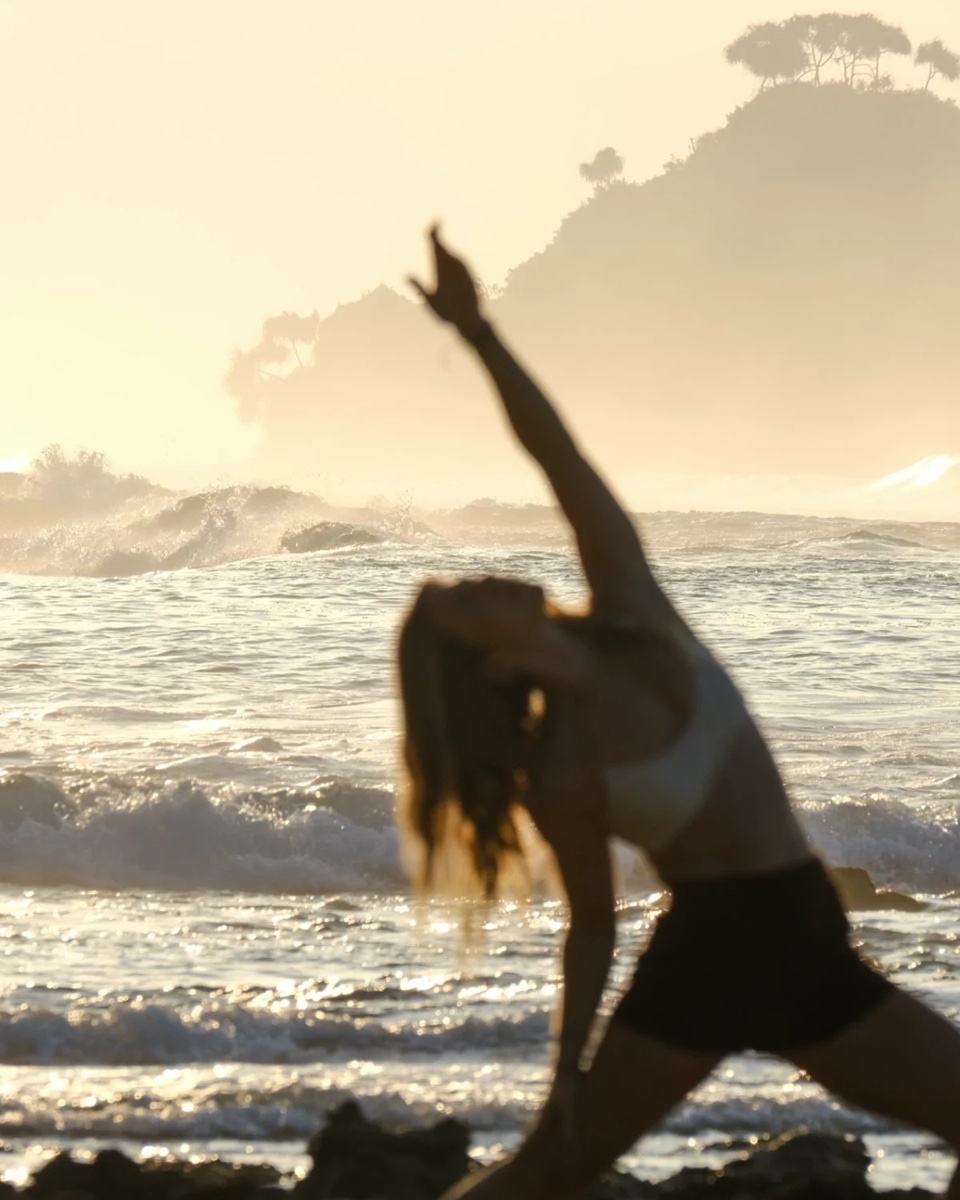
"The breath is always there. We just stop noticing it."
For years, I taught yoga the way many of us learn it — pose by pose, sequence by sequence. I cued alignment, encouraged effort, celebrated progress. And there was real value in all of it. But somewhere along the way I began to feel that something essential was missing. The classes were beautiful on the surface, yet the depth I was searching for — both for myself and for my students — remained just out of reach.
It wasn't until I began a dedicated breathwork practice of my own that everything shifted.
"The breath doesn't lie. It tells you exactly where you are — not where you think you should be."
What the Breath Knows
Breathwork — pranayama in the yogic tradition — has been around for thousands of years. But for me, it moved from being a theoretical concept to a living practice the morning I sat with a simple breathing pattern for twenty minutes and felt something in me genuinely release. Not through effort. Not through will. Just through air.
I began to understand that the breath is not just a function of the body. It is a language. A rhythm that connects the nervous system to the mind, the body to the present moment. When we breathe consciously, we change our internal state. Anxiety softens. Tension dissolves. We arrive — properly, fully — in the now.
How It Changed My Teaching
The first thing I changed was simple: I started every class with five minutes of conscious breathing before a single pose. Just sitting. Just noticing. Inhale, exhale. Nothing else.
What surprised me was the response. Students who had been coming for months told me they felt something different. More settled. More connected. As if the class had already done its work before we even moved.
From there, breathwork became woven into everything — how I cued movement, how I guided rest, how I closed a session. I stopped thinking of it as a warm-up and started understanding it as the foundation. The poses are containers. The breath is what fills them.
"When you teach the breath, you teach presence. And presence is the whole practice."
Where to Begin
If breathwork feels unfamiliar or even daunting, I want to reassure you: it doesn't need to be complicated. You don't need a special technique or a long practice. You simply need a few minutes, and a willingness to pay attention.
Start with this: sit comfortably, close your eyes, and breathe in slowly for a count of four. Hold gently for one. Breathe out for a count of six. Repeat for five minutes. That's it. Simple, quiet, and remarkably powerful.
The breath has been waiting for you to come home to it. It always has.
— Gail