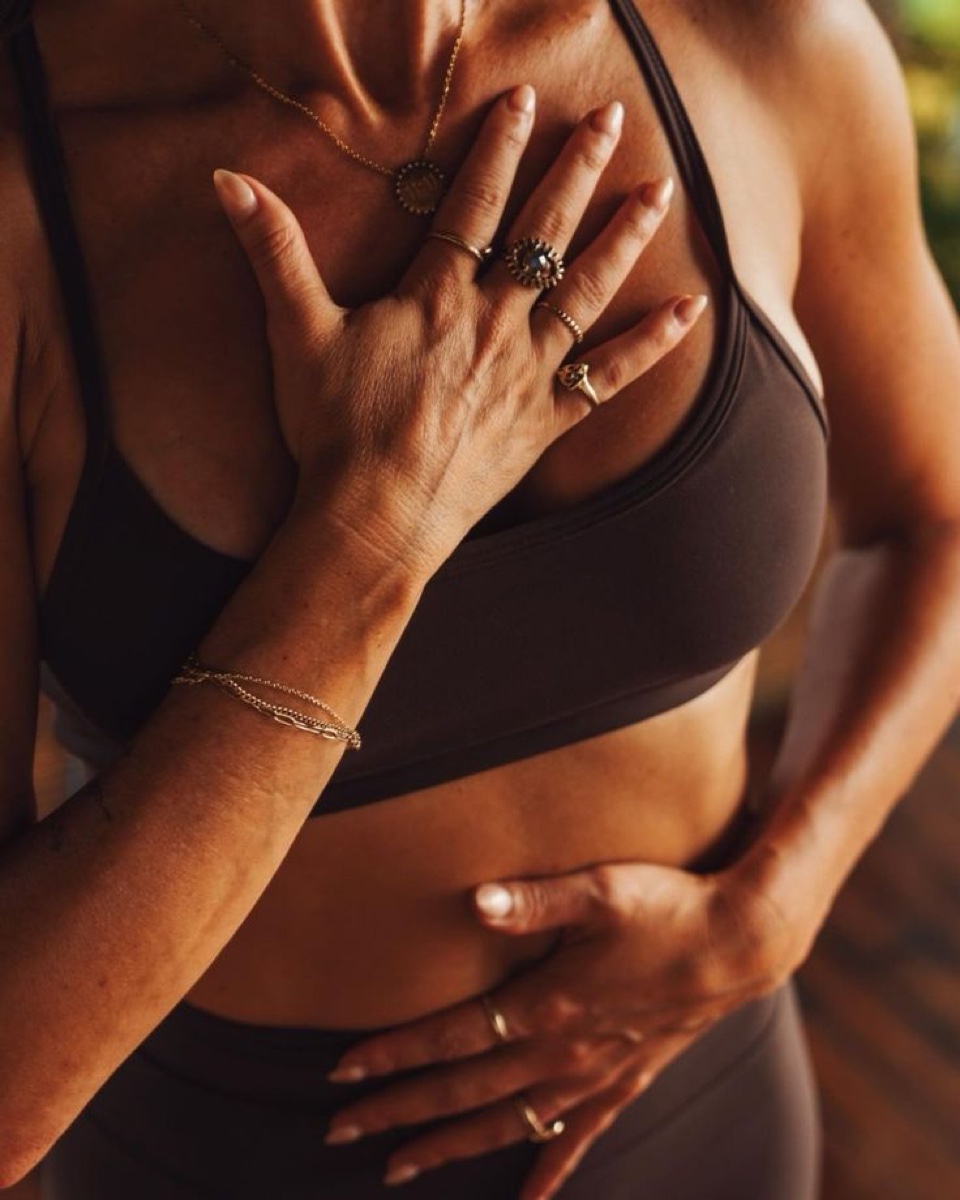
We inhabit an environment celebrating rapid advancement. Even yoga communities emphasise achievement — deeper stretches, steadier poses, more elegant movements. Yin yoga diverges completely from this trajectory.
In Yin practice, poses are sustained for three to five minutes or longer. You work with gravity rather than against it. You don't muscle your way into anything.
"Like something softening at a deep level that movement alone rarely reaches."
What Makes Yin Different
Standard yoga targets muscles through activation and strengthening. Yin reaches beneath the muscular layer. Extended, gentle holds with minimal muscular effort engage connective tissue — fascia, ligaments, and tendons surrounding the joints. These structures require prolonged, gentle pressure rather than force.
The opening this creates is distinct from typical stretching — quieter and more enduring. Something that settles in the body long after the practice has ended.
The Emotional Dimension
Newcomers frequently encounter surprise regarding the emotional aspects of Yin. Sustained stillness prompts thoughts and feelings to surface. Physical and psychological discomfort may emerge. This is not a side effect — it is the practice's core offering.
In the stillness, we stop running from ourselves. Long-suppressed emotions surface gradually within the space created by this intentional pause. Practitioners often characterise this approach as the most honest form of yoga they have encountered.
"Yin teaches patience — with the body, with the mind, with the whole complicated experience of being human."
How to Begin
If you are new to Yin, begin with a handful of foundational poses — Dragon, Butterfly, Sleeping Swan — holding each for a minimum of three minutes. Use props freely: bolsters, blankets, blocks. Sensation should register as gentle pressure, never pain. Let the breath remain natural and comfortable throughout.
Yin is not a practice of doing. It is a practice of allowing. And in a world that asks so much of us, that allowing can feel like the most radical thing of all.
— Gail